Alaska Literary Series. E-book available.
Purchase options: University of Colorado Press Amazon.
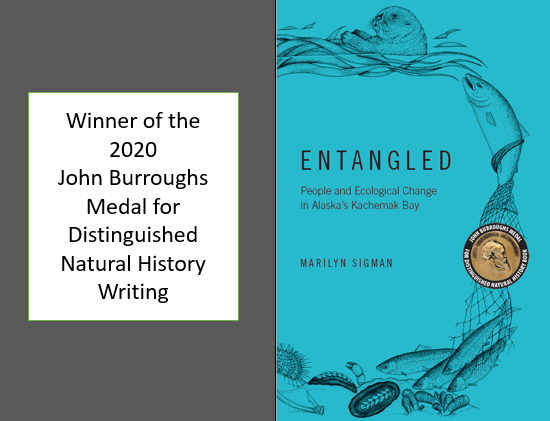
Entangled: People and Ecological Change In Alaska’s Kachemak Bay
From the John Burroughs Association review: “Entangled has everything to look for in great nature writing: stunning language, penetrating insights into what it means to be human in a natural world, and far-reaching importance. It is a beautifully told story, full of clear supporting science, about what we are losing as climate alters the planet.
One of the jurists [for selection of JBA awardees] called Sigman ‘the Rachel Carson of Kachemak Bay,’ saying she is ‘wonderfully descriptive and wonderfully informed, patient, and modest. She weaves her life story into the book,’ . . . Sigman writes with the knowledge that she, like every observer before her, has no claim to omniscience. And she insists there was never some sort of ideal or status quo ante, a baseline against which all ecological history of the bay could be measured.“
“A well-written and deeply intriguing collection of essays on humans and nature in Alaska. . . . Readers who have never been to Alaska will come away with a clear sense of the landscape and the wildlife and people who inhabit it as well as an appreciation for the work of ecologists.” ― Kirkus Reviews
Chronicling her quest for wildness and home in Alaska, naturalist Marilyn Sigman writes lyrically about a well-researched history of natural abundance and human notions of wealth—from seals to shellfish to sea otters to herring, halibut, and salmon—in Alaska’s iconic Kachemak Bay.
Kachemak Bay is a place where people and the living resources they depend on have ebbed and flowed for thousands of years. The forces of the earth are dynamic there: they can change in an instant, shaking the ground beneath your feet or overturning kayaks in a rushing wave. Glaciers have advanced and receded over centuries. The climate, like the ocean, has shifted from warmer to colder and back again in a matter of decades. The ocean food web has been shuffled from bottom to top again and again. In Entangled, Sigman contemplates the patterns of people staying and leaving, of settlement and displacement, nesting her own journey to Kachemak Bay within diasporas of her Jewish ancestors and of ancient peoples from Asia to the southern coast of Alaska. Along the way she weaves in scientific facts about the region as well as the stories told by Alaska’s indigenous peoples.
“Sigman unites her ‘science brain’ with her naturalist’s heart and an insatiable curiosity to bring us a beautifully written account of human and ecological connections. Part memoir, part natural history, part quest into understanding the nature of change. – Nancy Lord, Former Alaska Writer Laureate, author of Beluga Days and pH: A Novel
“Entangled is a profound meditation on how the inhabitants of Kachemak Bay—human and nonhuman alike—have reckoned with the ebb and surge of cultural and ecological changes through time. With the curiosity of a biologist, the doggedness of a detective, and the eloquence of a poet, Sigman beautifully deciphers a landscape marked by abundance and scarcity, stability and disruption, loss and resilience, memory and story. The fascinating result is a scientific whodunit, a natural and cultural history, a deep map, an elegy, and, above all, a love letter.” –Sherry Simpson, author of Dominion of Bears, winner of 2015 John Burroughs Medal for Distinguished Natural History Book
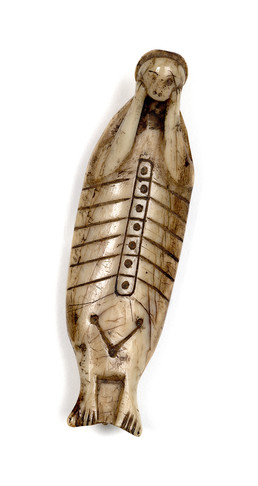
“Like creatures in an ephemeral tide pool, our lives are shaped by forces both within and beyond our control. In Entangled, Sigman shows us that life is messy, shift happens, and riding the waves of change is best done with a steady kayak, muck boots, and an inner compass.” – Amy Gulick, author of Salmon in the Trees: Life in Alaska’s Tongass Rain Forest and The Salmon Way: An Alaskan
State of Mind
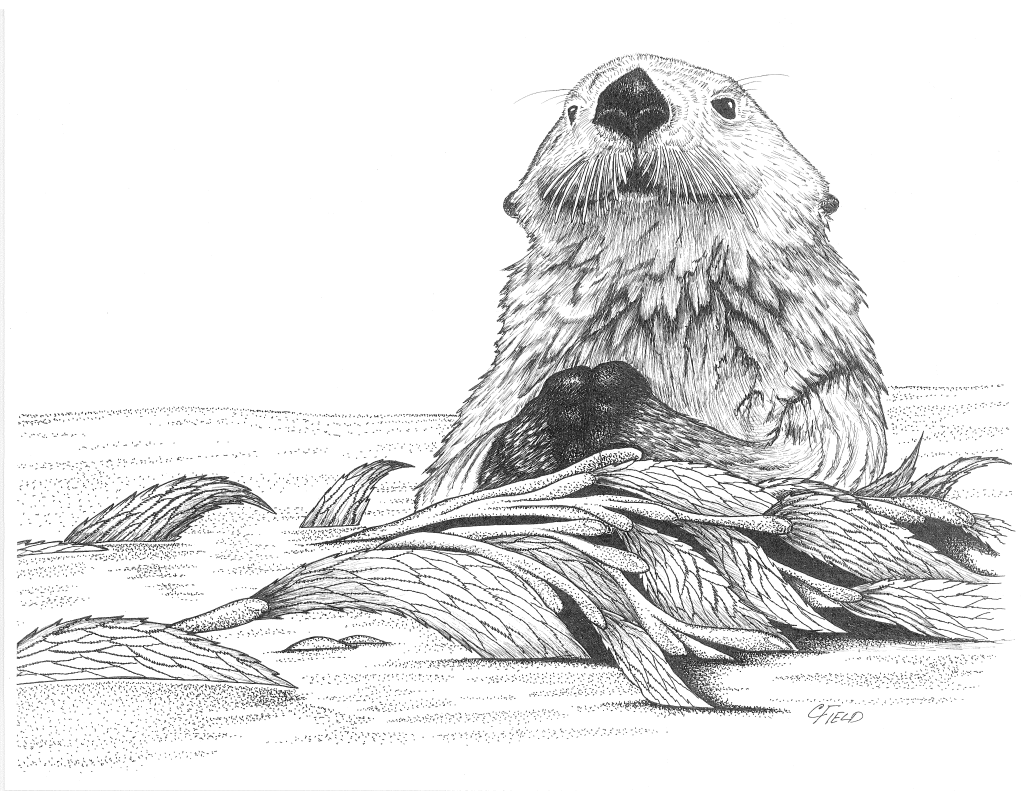
“This memoir is steeped in fast-moving, wondrously descriptive stories centered on the biology and archaeology of the Kachemak Bay region of Alaska within the context of her personal and family history. Whether it be the investigation of the sea otter and the ‘bidarki’s’ role in shaping shoreline ecology, or the chain of environmental fallout precipitated by a recent ocean warming event, or her telling of the spiritual and environmental story of the Kachemak people and their sudden mysterious disappearance; she constructs a far-reaching picture of sometimes sudden historic and current environmental change. She has crafted a must-read for both local and visitor.” – Craig Matkin, whale researcher and Director of the North Gulf Oceanographic Society

 Entangled: Nature/Culture